
The Tuna Coast
The waters off southern Azuero are known as the Tuna Coast — the name Panama’s tourism authority gives this stretch of Pacific shoreline between the Gulf of Panama and the Gulf of Chiriquí.
The name is geographic before it is recreational. The continental shelf along this coast is unusually narrow. At Achotines Bay, near the southeastern tip of the peninsula, the Inter-American Tropical Tuna Commission records water deeper than 200 metres less than eight kilometres from shore.
The water
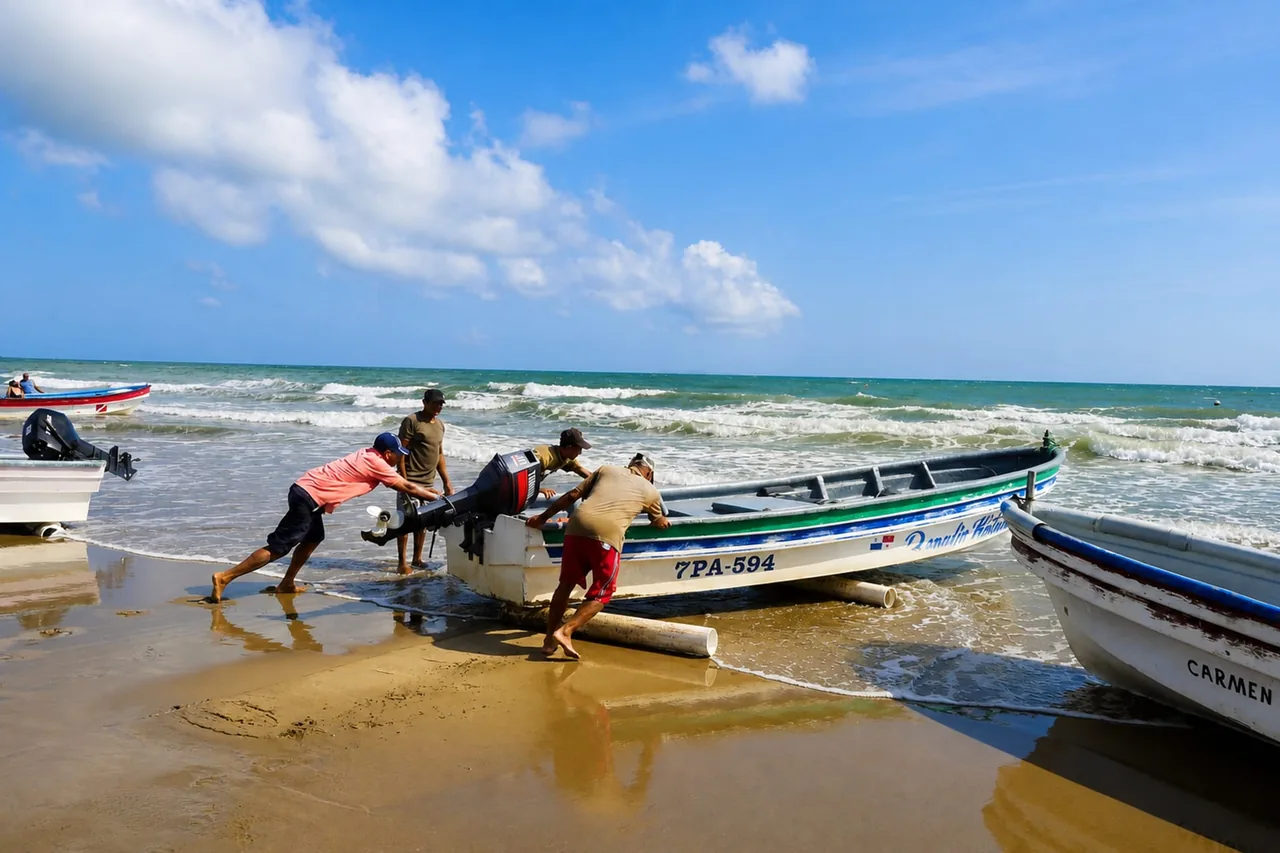
At Playa El Arenal, up the coast from Los Destiladeros, the panga fleet is pushed off the sand at first light and returns in the afternoon. There is no marina. There are captains, open boats, and a coastline that has organised itself around the ocean for generations.
Local captains keep a fleet of pangas on the sand — open boats for a morning along the coast or a crossing to Isla Iguana. For open water, sport-fishing boats work the same coastline.
A laboratory on this coast
Deep water this close to shore is why the Inter-American Tropical Tuna Commission built its Achotines Laboratory here in 1984, on Achotines Bay at the southeastern tip of the Azuero Peninsula. The facility is devoted to the study of tuna biology and ecology, and its position gives researchers access to oceanic waters where tuna spawn in every month of the year.
The laboratory is a scientific institution rather than a visitor attraction. It is worth knowing about for what it says about these waters: an international commission chose this bay, and not another, because of what lies just offshore.
Offshore experiences
Ocean Properties curates offshore experience packages and sells them directly. Approved local providers operate the vessels, captains and on-water activity.
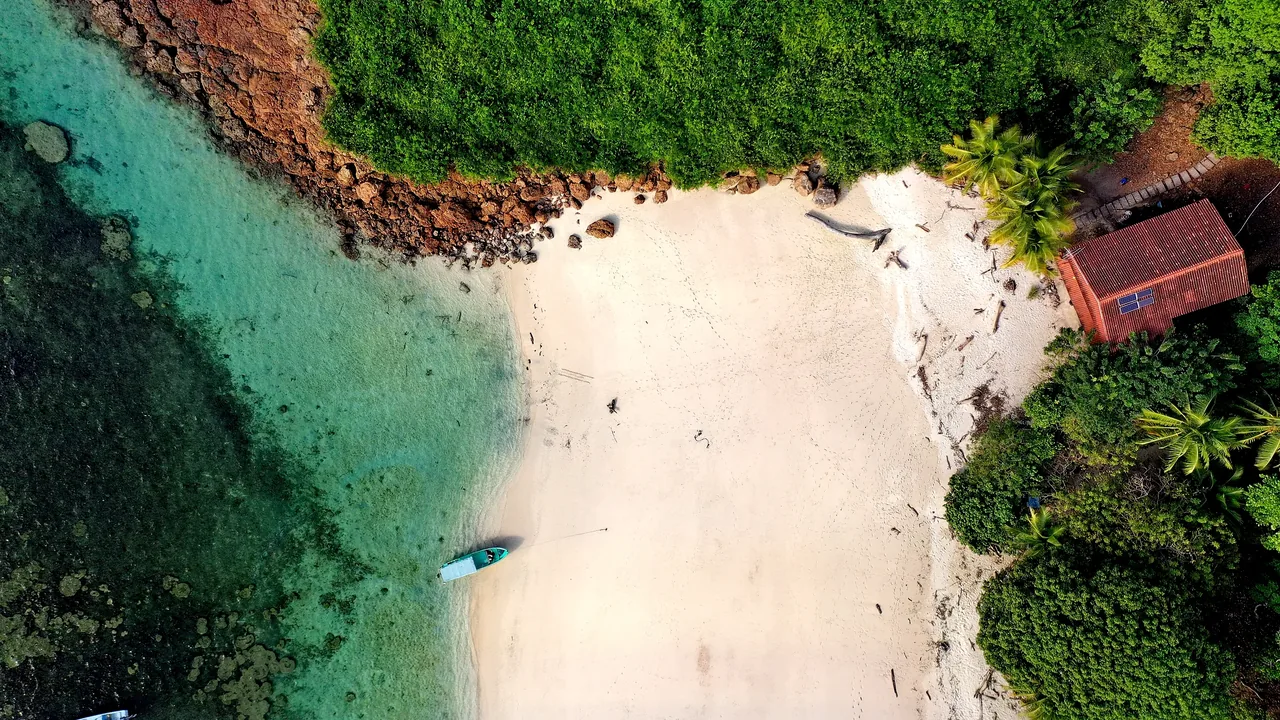
What that looks like depends on the day. A local panga for a morning along the coast, or a crossing to Isla Iguana, whose reef Panama’s tourism authority describes as the oldest and largest in the Gulf of Panama. A sport-fishing boat for open water, where yellowfin tuna, black marlin and wahoo are associated with the season.
Most departures leave from Playa El Arenal. Puerto Escondido and private vessel options can be arranged on request.
Conditions
Every departure depends on sea state, weather, season, capacity and the captain’s judgement. Nothing about the Pacific is scheduled. That is part of what makes a day on it worth arranging.